Search results in 2026 reward pages that answer fast, prove expertise, and work well inside AI-driven search features. Google AI Overviews, chat-based search, and stricter quality signals change how people discover content. You need clear topical coverage, strong entity signals, and clean technical delivery. This guide lists the 10 SEO Trends in 2026 (Advance actionable tips) you can apply now to protect traffic and grow it.
Key Takeaways
- Optimize for AI Overviews and chat answers with clear summaries, tight structure, and quote-ready facts.
- Build entity and E-E-A-T signals with author proof, citations, and consistent brand profiles.
- Use topic clusters and intent mapping to cover tasks, comparisons, and next-step actions.
- Improve engagement signals with better UX, faster pages, and clean information scent.
- Win more SERP space with rich results, video SEO, and image SEO that match intent.
- Track performance with GA4 + Search Console + server logs, then test changes in short cycles.
1) AI Overviews and “Answer-First” SEO
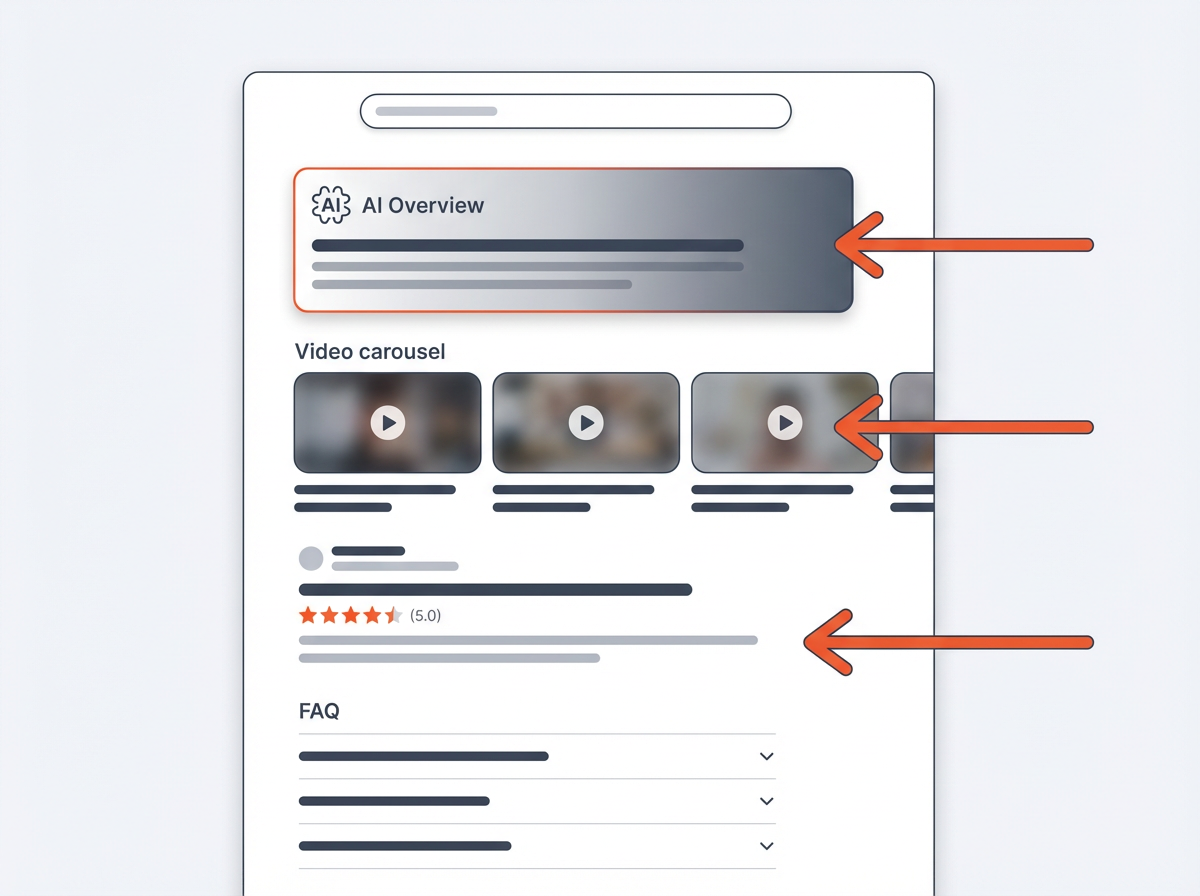
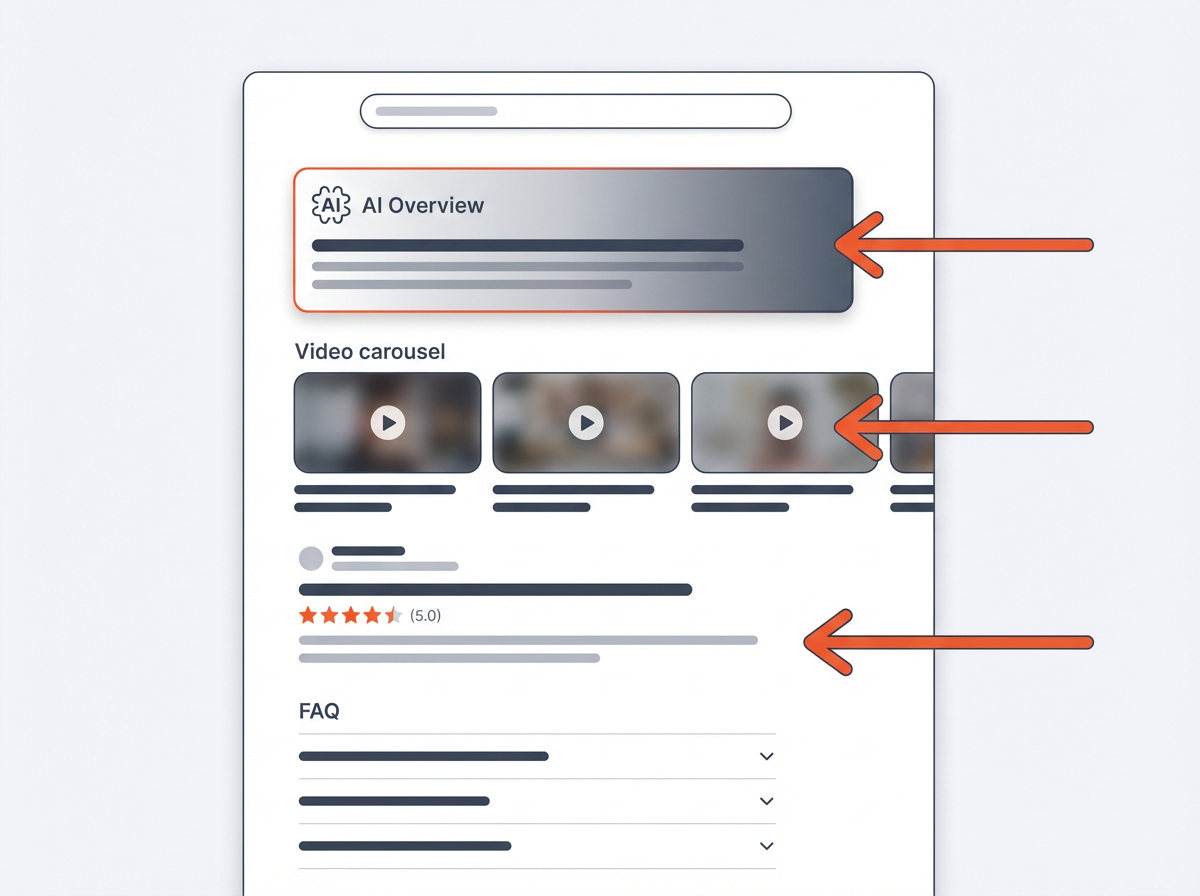
AI Overviews compress many sources into one answer. Pages that feed AI need clear facts, clean structure, and strong source signals. You also need content that supports follow-up questions, since users often continue inside AI results.
Advance actionable tips
- Write a 40–70 word answer block near the top of key pages. Use plain language and define the main term.
- Add “proof lines” right after claims. Example: “Based on 12 months of GA4 data from 40 pages.”
- Use scannable sections with short paragraphs, bullets, and tables where needed.
- Answer follow-ups with mini FAQs under each section. Keep each answer 1–3 sentences.
- Use consistent entities (brand name, product name, location, author name) across the page.
On-page format that works well for AI extraction
- Definition sentence
- 3–5 bullet steps
- 1 short example
- 1 “common mistake” line
Next, you need to optimize for chat-style search, since many users now ask multi-step questions.
2) GEO (Generative Engine Optimization) for Chat Search
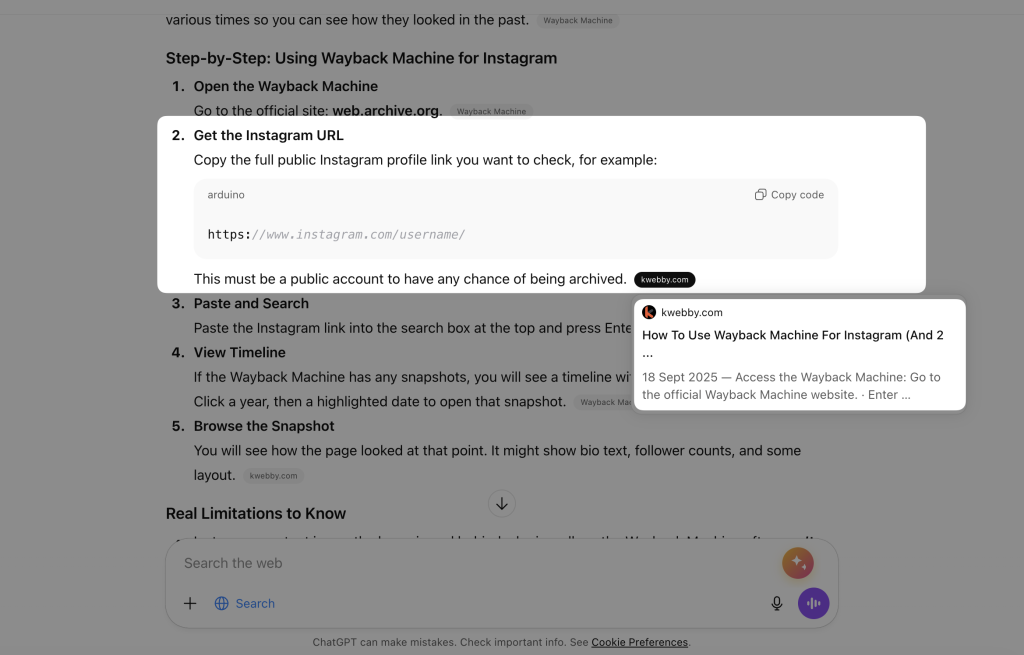
Chat search tools pull from web pages, brand profiles, and structured data. They also value content that explains decisions, tradeoffs, and steps. GEO focuses on how AI systems select, trust, and summarize your content.
Advance actionable tips
- Publish “decision pages” that compare options. Example: “SEO audit tool A vs B for ecommerce.”
- Add constraints and context in headings. Example: “Best internal linking for large blogs (500+ posts).”
- Use consistent brand descriptors across your site. Example: “B2B SEO agency in Austin” appears in About, footer, and author bios.
- Create a citations section for data-heavy pages. Link to primary sources.
- Build a “source hub” page that lists your research, tools, and methods.
GEO content checklist
- Clear definition and scope
- Step-by-step process
- Concrete examples
- Limits and edge cases
- Updated date and author proof
After GEO, the next trend is trust. Google and users both demand proof.
3) E-E-A-T Proof Becomes a Ranking Multiplier
E-E-A-T signals help Google judge quality. In 2026, thin author pages and vague claims hurt performance. Strong pages show real experience, clear ownership, and verifiable sources.
Advance actionable tips
- Upgrade author bios with credentials, years of experience, and areas of focus.
- Add “How we tested” sections for reviews and comparisons.
- Use first-party evidence like screenshots, original charts, and process photos.
- Link to policies (editorial policy, corrections policy, affiliate disclosure).
- Show business legitimacy: address, phone, support email, and clear ownership.
Quick E-E-A-T upgrades you can ship this week
- Add “Last updated” dates on key pages.
- Add 3–5 expert quotes per long guide (with sources).
- Add a short “Who this is for” line near the top.
Now you need a content model that supports depth without bloating pages.
4) Topic Clusters Replace Random Keyword Targeting
Keyword lists still matter, but clusters win because they match how people learn. A cluster covers one topic from multiple angles. It also builds internal links that help Google understand your site.
Advance actionable tips
- Build one pillar page per core topic. Then add 6–12 support pages.
- Map intent types: learn, compare, buy, fix, and validate.
- Use internal links with purpose. Link from support pages to the pillar for definitions. Link from the pillar to support pages for depth.
- Remove overlap. Merge pages that target the same intent.
Cluster blueprint (example)
- Pillar: “10 SEO Trends in 2026 (Advance actionable tips)”
- Support: AI Overviews optimization checklist
- Support: E-E-A-T for service businesses
- Support: Technical SEO for Core Web Vitals
- Support: Video SEO for YouTube + Google
- Support: Local SEO for multi-location brands
Next, you need to align content with what users do, not just what they type.
5) Intent Engineering and Task Completion Content
Google rewards pages that help users finish a task. In 2026, “good content” means the user completes the next step with less friction. That includes templates, calculators, checklists, and clear steps.
Advance actionable tips
- Add a “Start here” section with the first step and required inputs.
- Include templates users can copy. Example: outreach email, SEO brief, or schema snippet.
- Add decision helpers like “If X, do Y” rules.
- Use comparison tables with 5–7 rows that match buying factors.
Task-focused page elements that improve rankings
- Checklist with 7–12 items
- Short “time to complete” estimate
- Common mistakes section
- Next-step CTA that matches intent (download, book, try, audit)
After intent, technical performance still decides if users stay and convert.
6) Core Web Vitals Shift From “Nice” to “Required”
Speed and stability affect bounce, engagement, and conversions. In 2026, many sites lose rankings because of slow mobile pages, heavy scripts, and unstable layouts. Fixing these issues often lifts both SEO and revenue.
Advance actionable tips
- Reduce JavaScript weight by removing unused tags and delaying non-critical scripts.
- Compress and resize images. Serve modern formats (AVIF or WebP) where possible.
- Fix layout shifts by setting image dimensions and reserving space for ads and embeds.
- Use server-side caching and a CDN for global delivery.
- Audit third-party tools (chat widgets, heatmaps, trackers). Keep only what you use.
Weekly technical SEO routine
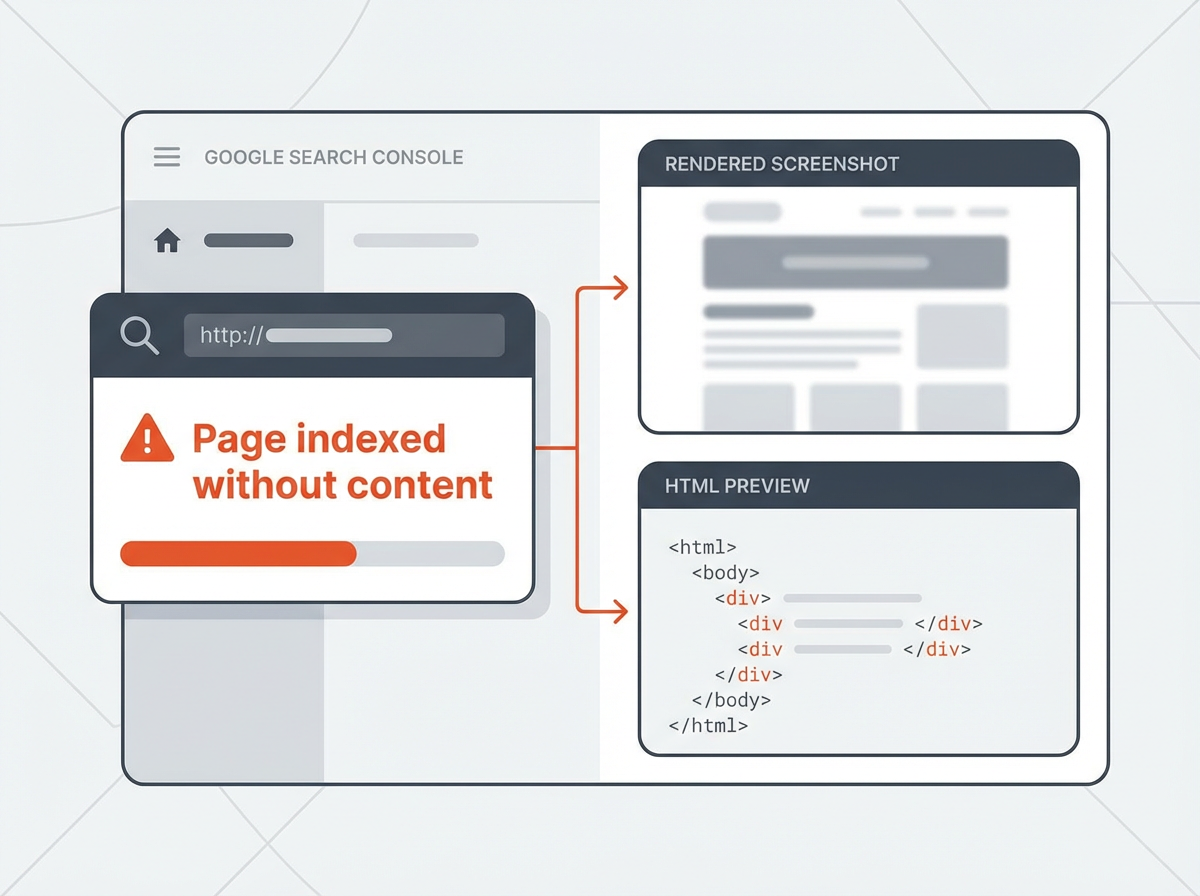
- Check Search Console for CWV and indexing errors.
- Run 5 key templates through PageSpeed Insights.
- Review new scripts added by marketing tools.
Now move from “crawlable” to “understandable” with structured data.
7) Structured Data and Rich Results Expand SERP Real Estate
Schema helps search engines understand your content type and key details. In 2026, rich results can increase clicks even when rankings stay the same. Schema also supports AI extraction and knowledge graph signals.
Advance actionable tips
- Implement core schema types: Organization, WebSite, Article, BreadcrumbList.
- Add specific schema where relevant: FAQPage, HowTo (if eligible), Product, Review, LocalBusiness.
- Keep schema consistent with on-page content. Do not add details you do not show.
- Validate with tests and fix warnings that block eligibility.
Schema fields that often improve clarity
- Author name and URL
- Date published and date modified
- SameAs links (social profiles, Wikipedia, Crunchbase if relevant)
- Primary image and logo
Next, visual search grows, and video results take more space on the page.
8) Video SEO Becomes a Core Channel (Google + YouTube)
Users often prefer video for demos, walkthroughs, and comparisons. Google also shows more video carousels for “how to” and “best” queries. Video SEO helps you rank in two places: YouTube search and Google search.
Advance actionable tips
- Match one video to one intent. Example: “How to fix indexing issues in Search Console.”
- Write a tight title with the main keyword early.
- Add chapters with timestamps that match user questions.
- Embed the video on a supporting page with a transcript and a summary.
- Use VideoObject schema on the page where you embed the video.
Simple video content plan (repeat monthly)
- 2 “how-to” videos
- 1 comparison video
- 1 case study video with results and steps
After video, local intent keeps growing, even for online-first brands.
9) Local SEO Expands Beyond “Near Me” Queries
Local results influence service businesses, multi-location brands, and even ecommerce with pickup options. In 2026, Google relies on business data consistency, review quality, and location page usefulness.
Advance actionable tips
- Fix NAP consistency (name, address, phone) across your site and listings.
- Build strong location pages with unique content: services, pricing ranges, staff, FAQs, and local proof.
- Collect reviews with prompts that mention the service and outcome. Example: “What did we help you fix?”
- Add local schema (LocalBusiness) and embed a map where it helps users.
- Answer Q&A on GBP and keep hours updated.
Local page checklist
- Service list with clear scope
- Photos of team or office
- Driving and parking notes (if relevant)
- Local testimonials
- CTA with phone and booking link
Finally, measurement changes because AI results can reduce clicks while still driving brand demand.
10) Measurement Shifts: Track Visibility, Not Just Clicks
AI Overviews and richer SERPs can reduce organic clicks for some queries. You still need to measure success, but you must track visibility, assisted conversions, and brand search growth. Better tracking also helps you decide which pages to update first.
Advance actionable tips
- Track “SERP feature presence” for top queries (AI Overviews, video, local pack, snippets).
- Use Search Console to monitor impressions and query shifts, not only clicks.
- Use GA4 events for micro-conversions: scroll depth, video plays, CTA clicks, form starts.
- Review server logs to confirm Googlebot crawl patterns on key templates.
- Run content update sprints every 30 days on pages that have high impressions and low CTR.
SEO reporting dashboard (minimum set)
- Top 50 queries by impressions (Search Console)
- Top landing pages by organic sessions (GA4)
- Conversions by landing page (GA4)
- Index coverage and crawl stats (Search Console)
- Page speed for top templates (PageSpeed Insights or CrUX)
Use these 10 trends as a system. Start with AI-ready structure, then add trust proof, then improve technical delivery. Next, publish cluster support pages and measure results in short cycles.
Frequently Asked Questions (FAQs)
What is the biggest SEO change in 2026?
AI-driven results change how users click. You need content that AI can summarize and users can trust, with clear structure and proof.
How do I optimize for Google AI Overviews?
Place a short answer block near the top, use tight headings, add supporting facts with sources, and cover common follow-up questions on the same page.
Does E-E-A-T still matter for SEO in 2026?
Yes. Pages that show real experience, clear authorship, and verifiable sources tend to perform better, especially in sensitive topics and competitive niches.
Are keywords still important in 2026?
Yes, but topic coverage matters more than single keywords. Use keywords to map intent, then build clusters that solve the full task.
What technical SEO fixes should I prioritize first?
Fix slow mobile performance, reduce script bloat, prevent layout shifts, and ensure clean indexing. These changes often improve both rankings and conversions.
How do I measure SEO success if clicks drop due to AI answers?
Track impressions, brand searches, assisted conversions, and SERP feature presence. Use GA4 events and Search Console trends to spot wins.
Final Thoughts
The best plan for 10 SEO Trends in 2026 (Advance actionable tips) is simple: make your pages easy for AI to extract, easy for users to act on, and easy for Google to trust. Build topic clusters, strengthen E-E-A-T proof, improve Core Web Vitals, and expand into video and local results. Then measure visibility and conversions in short testing cycles. If you want faster gains, start by updating your top 10 pages by impressions and add an answer block, proof signals, and clearer internal links today.